B2B AUTOMOTIVE PLATFORM
Complete product design for a B2B automotive auction platform. UX/UI, components, color system, iconography, and 9 technical illustrations embedded across key product flows. Technology later acquired by a major automotive manufacturer.
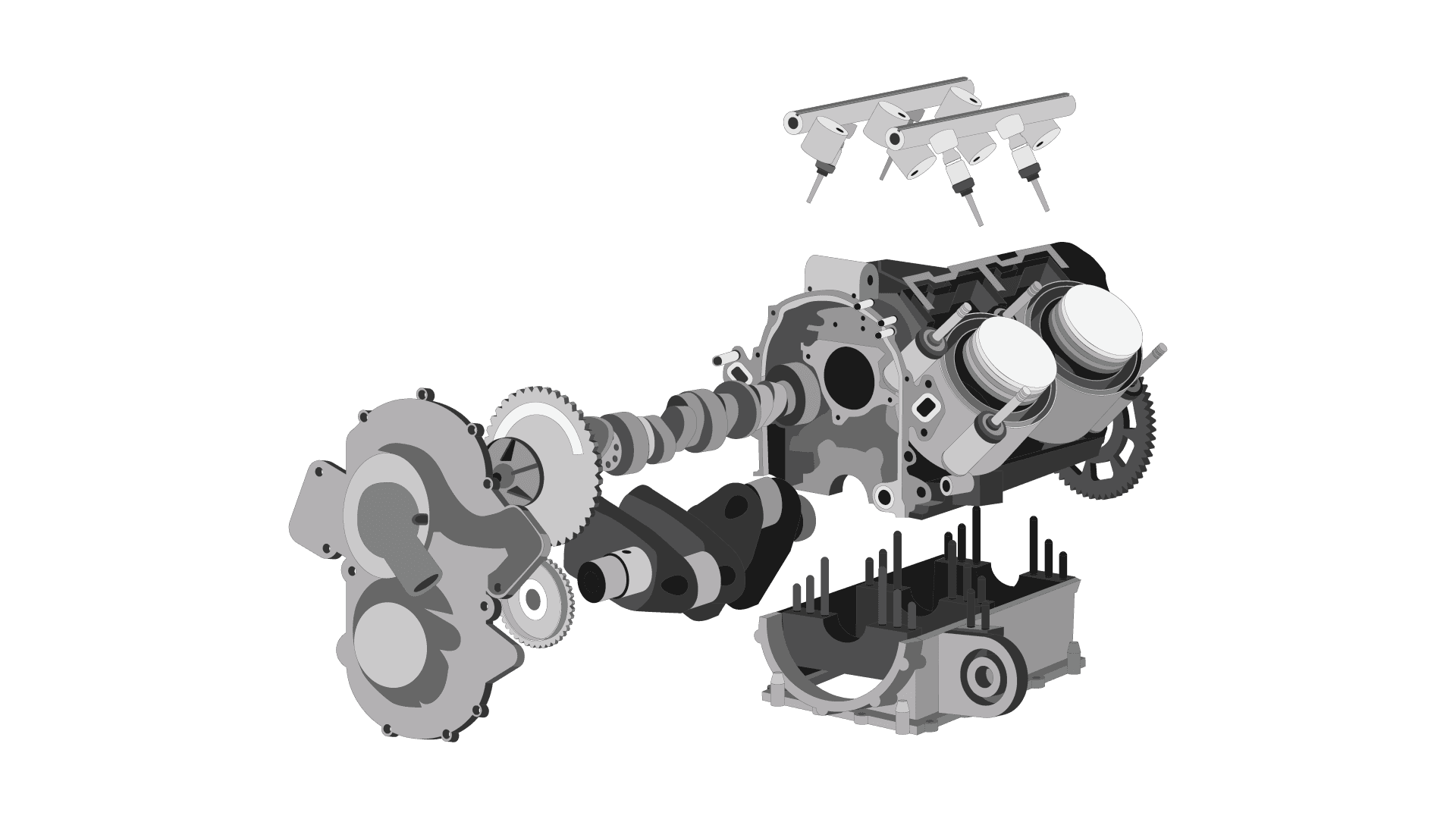
THE CHALLENGE
DMX unified vehicle appraisal, condition grading, and wholesale trading in a single platform for automotive dealers. The workflows were dense and technical: scanning paint, grading mechanical condition, bidding on inventory in real time.
The full product scope included UX flows, component system, color palette, and iconography. But the illustrations were the piece that gave the platform its identity. Each one was built for a specific moment in the product. Not decoration, not marketing assets. Functional UX embedded directly in the flow.
THE APPROACH
I chose grayscale deliberately. Color would have competed with condition data, pricing, and status indicators, the information that actually matters on an auction platform. Each illustration covers a specific moment in the dealer workflow: lot overview, vehicle inspection, engine condition, auction moment, and road performance. Together they form a complete visual language for the platform.
THE WORK
Each illustration was designed to answer a specific question the user had at that moment in the flow.

3/4 front, open doors and hood — Interior and exterior inspection flow. Open doors and hood signal "this vehicle is being examined."

Vehicle profile and listing detail — The angle shows enough of the car to feel like a real inspection.
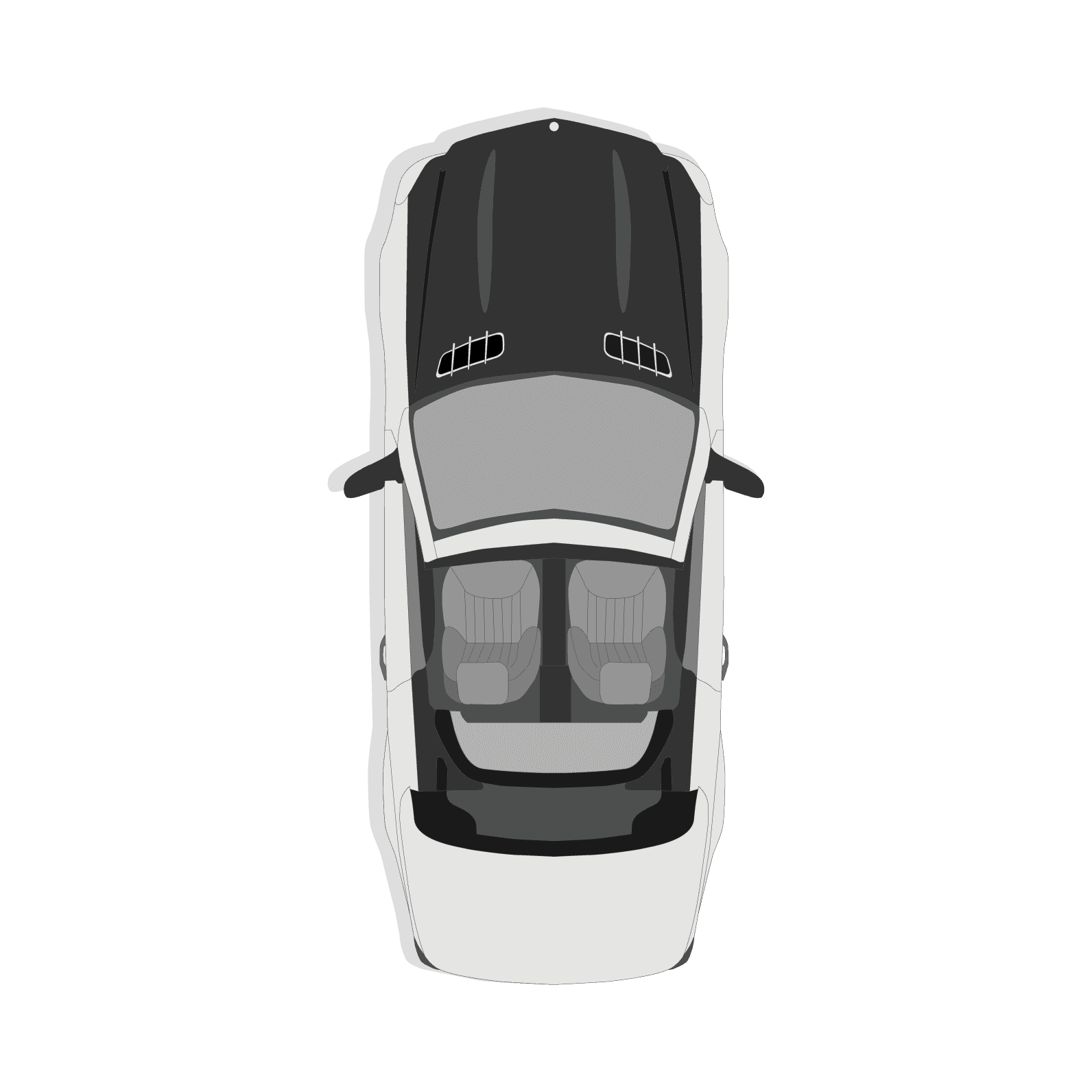
Top-down single vehicle — Paint scanning flow. The overhead view is the natural perspective for surface condition — the same angle a technician would use.
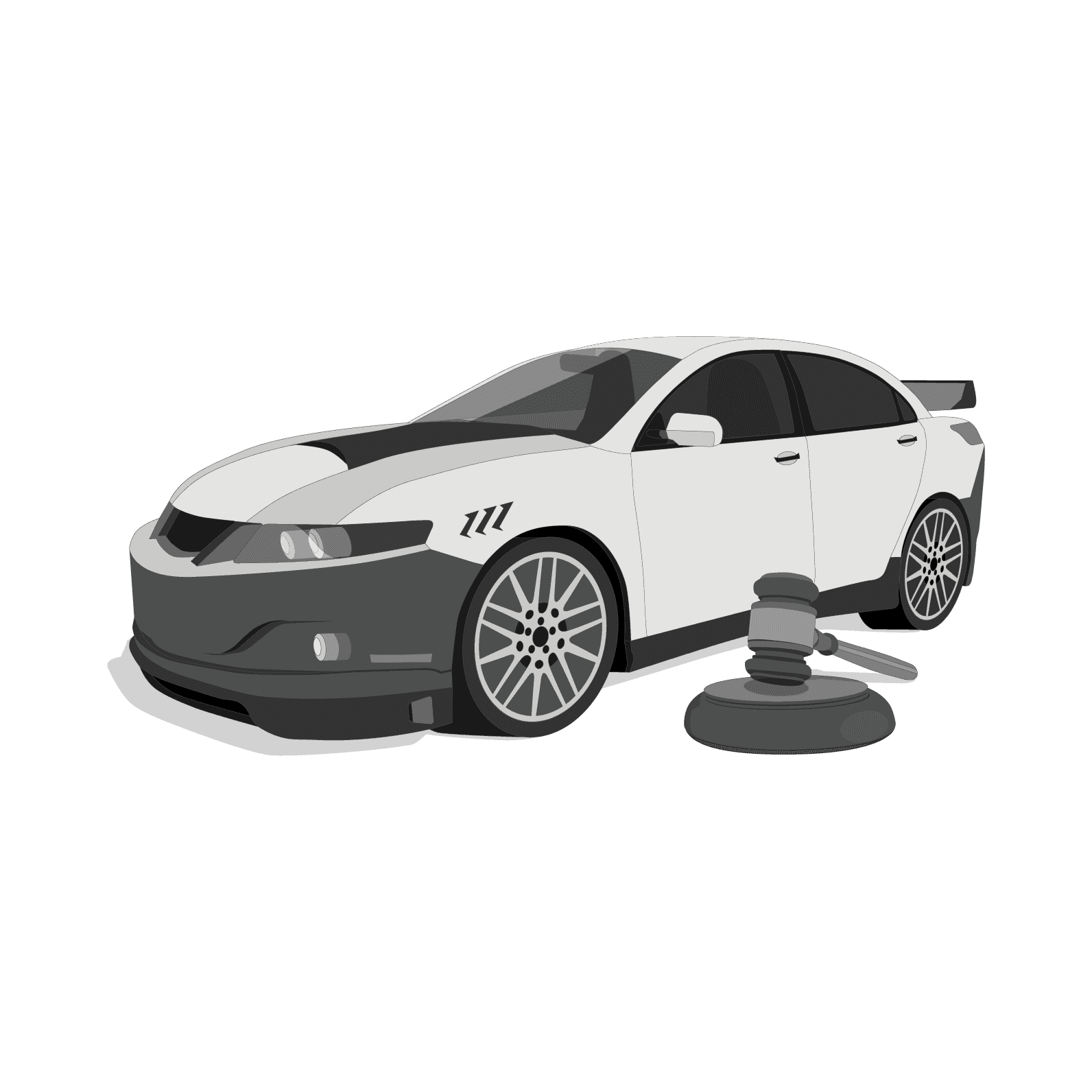
Car + auction gavel — Trade-iT auction screens. The gavel is the only symbolic element in the system. It needed no explanation.

Front view — Registration screen. The straight-on perspective communicates "this is the vehicle you're about to list" with total clarity.
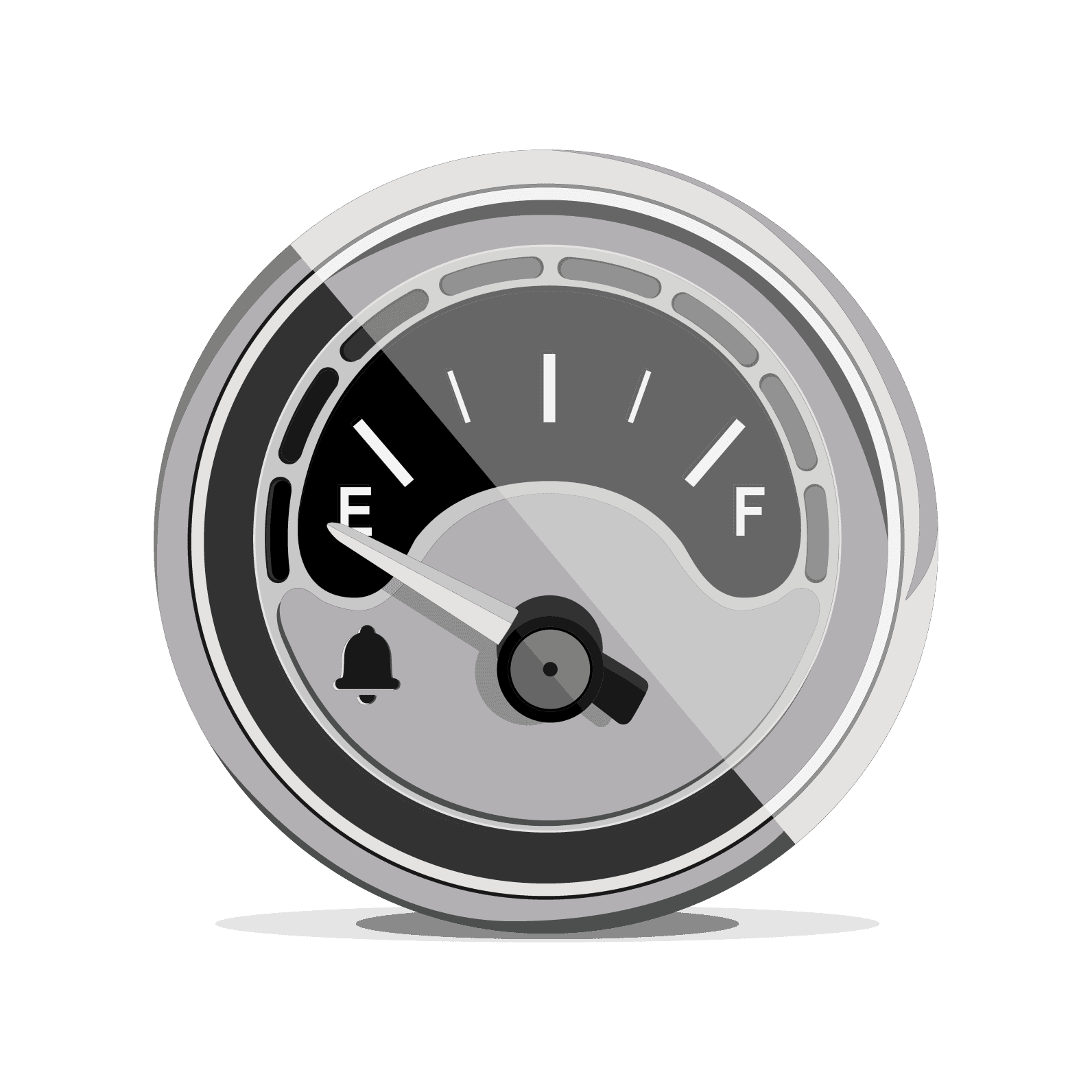
Fuel gauge instrument — Vehicle condition indicators. The gauge communicates status and alerts without a single word.
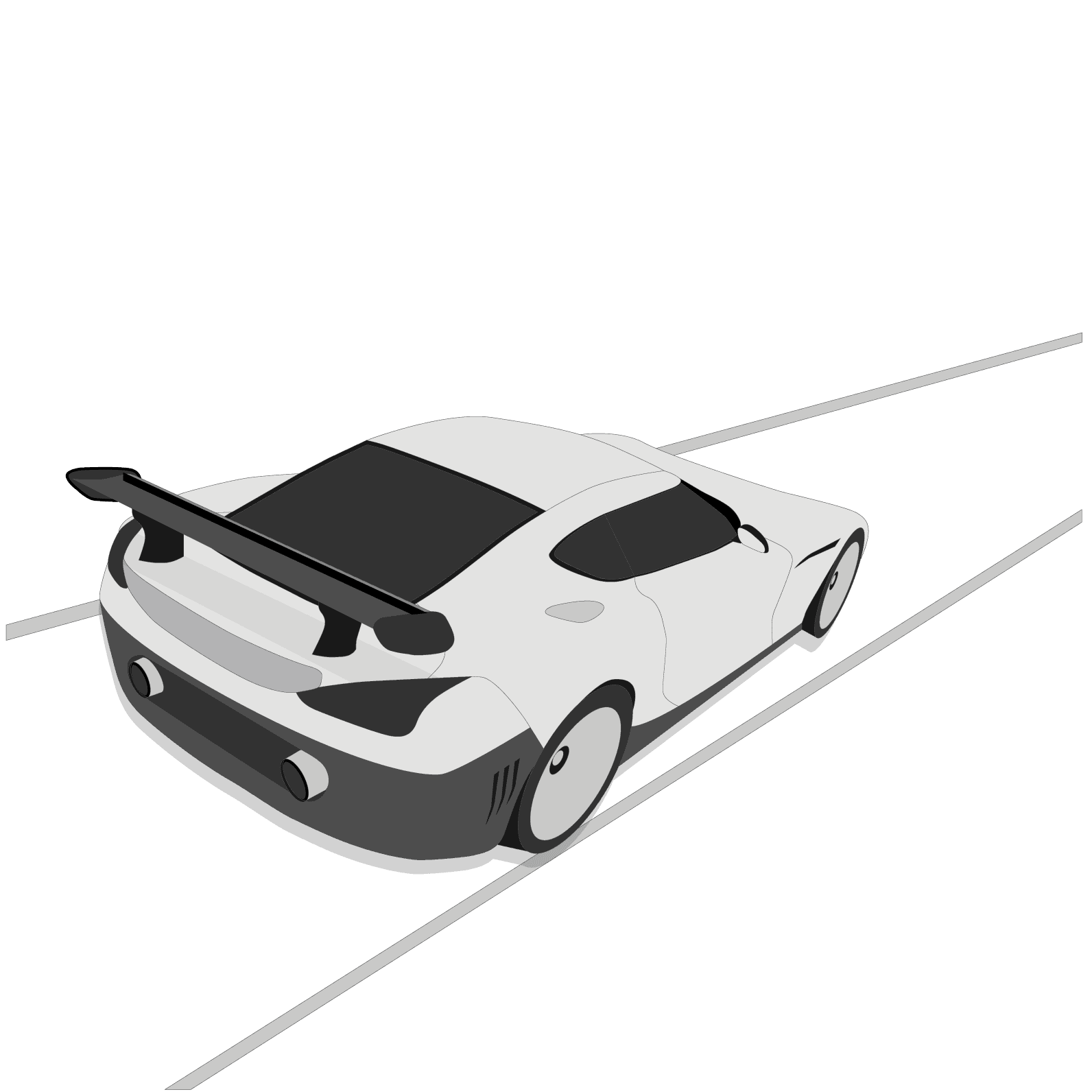
Rear 3/4 on road — Vehicle in transit or delivery confirmation screens.
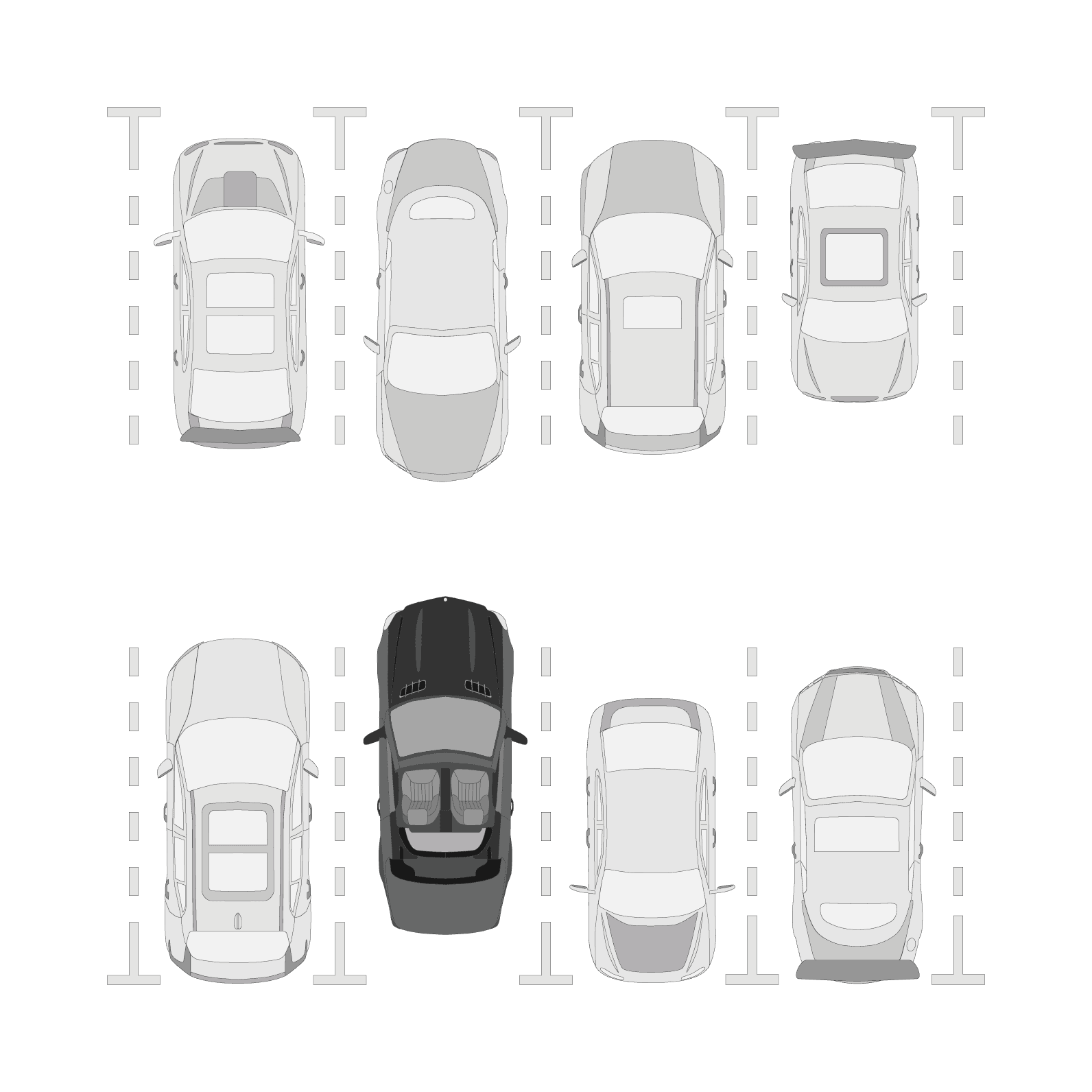
Top-down lot, 8 vehicles — Inventory and lot management. Multiple cars in parking configuration communicate "this is your fleet" at a glance.
IMPACT
Technical illustrations
Platform tools covered
Acquisition by a major manufacturer
Jorge is the ULTIMATE team player, who would never settle for anything less than his best and total client satisfaction. His ability to translate what someone non-technical/non-design wants into the vision seen by their mind's eye is outstanding.
— Sebastian Bernal,
CLIENT SERVICES,PwC
REFLECTION
The illustrations weren't in the brief. They emerged from a problem. Dealers were navigating technically complex workflows without enough visual anchoring. Text labels and icons weren't enough. The platform needed something that felt like the industry it served.
Each illustration was designed from the user's perspective first, literally. The angle before the style. Overhead for paint scanning because that's how you look at a surface. Engine view for mechanical grading because that's how technicians think. Front-on for registration because that's how you identify a vehicle.
Craft without function is decoration. These illustrations worked because every decision, perspective, scale, and level of detail, was made in service of a specific moment in the flow.